Magne is segment lead for NGOs and the non-profit sector at Frontkom. He has worked with everything from large humanitarian organisations to local volunteer networks, and has seen what actually makes the difference between those who succeed digitally and those who do not.
A voluntary organisation working with addiction had a strong Instagram account and a well-populated Facebook group. They even had a nice website, built by a volunteer with a design background. But when it came to recruiting new regular donors, everything had stalled.
It turned out that none of the channels were connected. Someone who clicked on a Facebook ad landed on the homepage and had to find their own way to the donation button. Half the donation form was not optimised for mobile. And nobody received an email confirmation after donating.
This is not an exception. It is the norm in the non-profit sector.
What does it mean to own the donor journey?
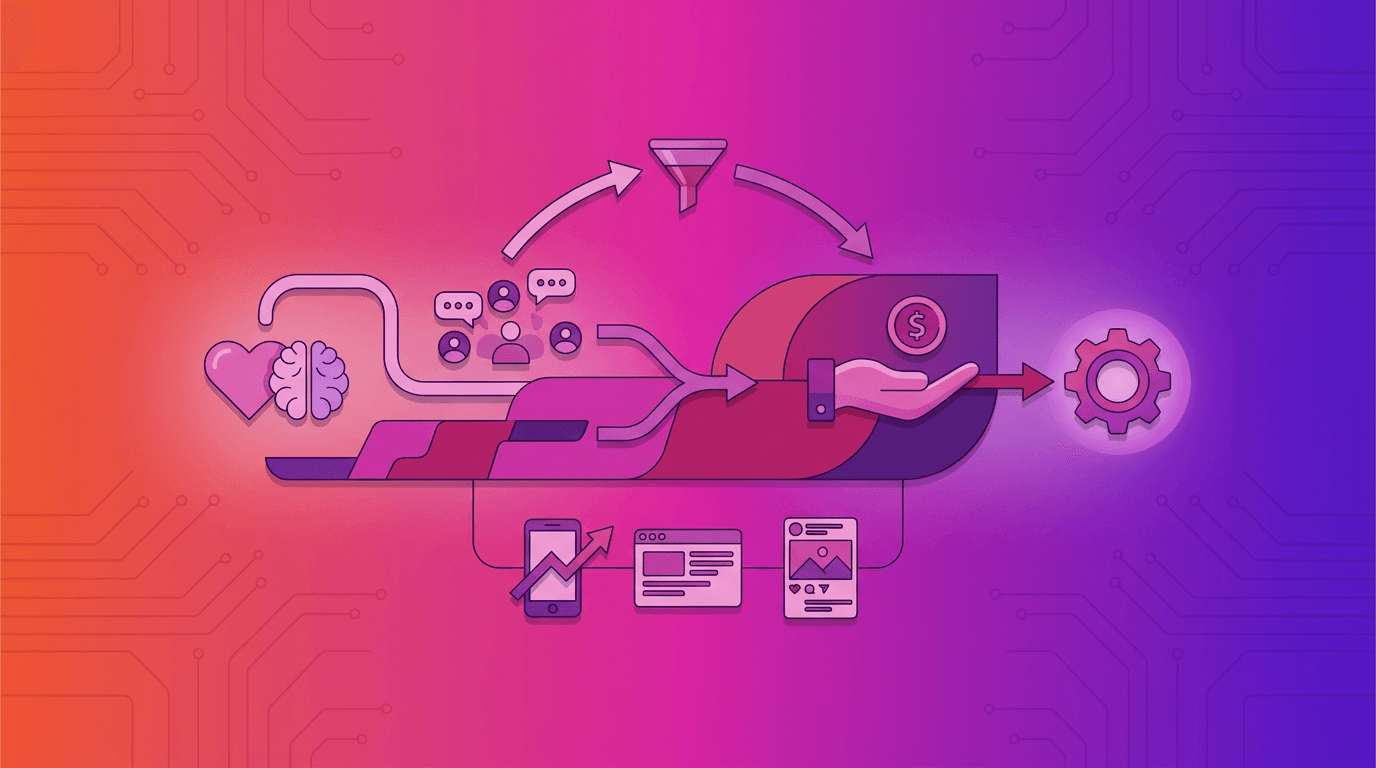
The organisations that succeed digitally own their donor journey. That means they have thought through every step from when someone first hears about them to when they become a regular monthly donor or active volunteer. They know exactly what happens at each step, and they have designed the experience accordingly.
It is not a technology project in itself. It starts with a question: What is it we want people to do when they discover us, and what are we currently doing that stops them from doing it?
Three things we see working in the non-profit sector
Story over statistics. "We have helped 50,000 families since 2010" produces a neutral response. The story of how one child gets a better life through a specific intervention creates engagement. That is not opinion, it is well-documented psychology: people respond to concrete narratives, not abstractions.
Frictionless giving experience. Every extra click in the donor journey costs conversions. A donation page that is not mobile-optimised costs conversions. A payment method that requires account creation costs conversions. A missing confirmation email that leaves the donor unsure whether their transaction went through costs trust and future gifts.
Ongoing relationship, not just campaign pressure. The best organisations treat donors as a relationship, not a transaction. That means newsletters that actually explain what the money is doing, not just appeals for more. It means thank-you messages with substance. And it means staying in touch even when there is no campaign running.
The digital challenge for the non-profit sector
The non-profit sector faces a unique challenge: expectations for digital experience have been set by commercial players. When a potential donor wants to give money, they expect it to be as seamless as buying something online. That is not reasonable, but it is the reality.
Many non-profit organisations struggle to meet these expectations because resources are limited and expertise in digital communication and technology is scarce. That is understandable. But it does not mean it is unavoidable.
Some of the best digital donor journeys we have seen have been built by small organisations with limited budgets, but with a clear focus on every step from click to conversion.
Are you working in a non-profit organisation and want to know what the specific steps with the greatest impact on donor recruitment and loyalty look like? Get in touch with Magne for a no-obligation conversation.