Erlend leads PlatOps at Frontkom and is responsible for operations, maintenance and infrastructure for a range of clients. He is used to stepping in when things have gone wrong, and even more used to thinking about what could have prevented it.
There is a reason operations and maintenance rarely features as a hot topic at digital conferences. It is not where the big keynotes are delivered. It is not where innovation awards are handed out. And it is not where budget battles are won.
But it is where a large share of the actual value in digital infrastructure is created or destroyed. And in many organisations it is precisely here that the largest unrecognised cost sits.
What is technical debt, really?
Technical debt is a term many people recognise but few take seriously until it is too late. It is the accumulated total of all the quick fixes chosen instead of the right solutions, all the systems that have not been updated in years, and all the integrations that "work, just barely".
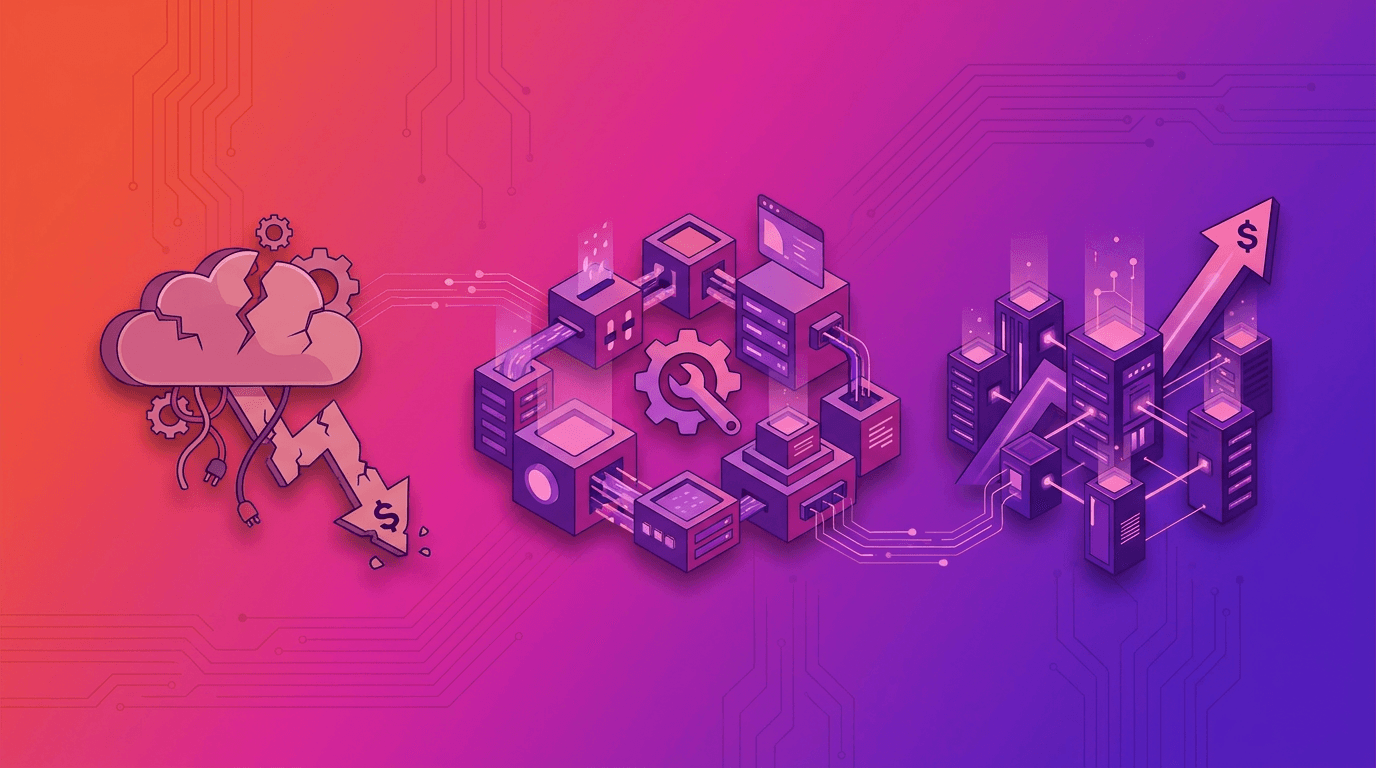
Just like financial debt, technical debt grows with interest. And the interest is not paid in money but in the form of downtime when systems fail, security vulnerabilities that need emergency patching, and developers spending 40 percent of their working day navigating old code instead of building something new.
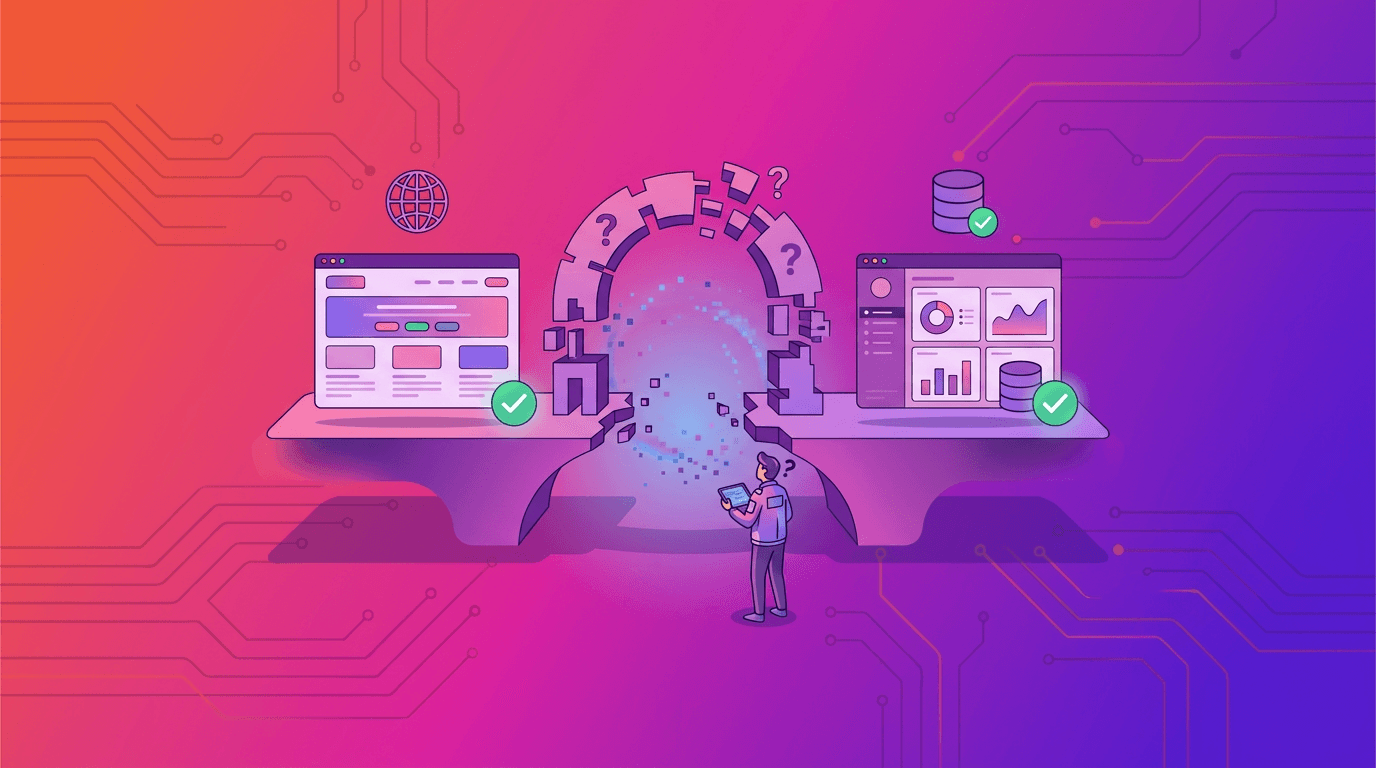
A situation we see regularly: an organisation has spent three years building up a digital platform. The platform works well. But nobody has been responsible for ongoing maintenance. Libraries are out of date. Security updates have not been applied. And now the only developer who knows the system has left. The cost of catching up on maintenance is almost as large as rebuilding from scratch.
Three levels of maintenance
At Frontkom we divide maintenance responsibility into three levels that all need to be covered for a digital solution to keep working over time:
- The technical foundation. Systems, infrastructure and security that must always work. Updates, security patches, monitoring and alerts on deviations. This is not optional. It is insurance.
- Continuous optimisation. Performance, load times, user experience and conversion that are continuously improved based on data. A website that was fast in 2022 is not necessarily fast in 2026. Requirements and usage patterns change.
- Strategic further development. New features and integrations built on a stable foundation. This is where innovation can actually happen, but only when the first two levels are in place.
What does it actually cost not to prioritise this?
We regularly encounter organisations that have saved money on operations and maintenance for years. They decided the solution they built was "finished" and that maintenance costs were unnecessary.
Then something happens. A security vulnerability is exploited. An integration with an external system stops working. The site drops in Google rankings because Core Web Vitals scores have deteriorated too far. Suddenly crisis money has to be spent on something that could have been prevented for a fraction of the cost.
Operations and maintenance is not a cost. It is an investment in making sure everything you have built continues to deliver returns.
Wondering what your technical debt is actually costing you each month? We are happy to help you work that out.