Per André works with artificial intelligence at Frontkom, helping organisations move from fascination to actual adoption every day. This is his honest assessment of where the field stands in 2026.
No technology before AI has moved from laboratory to boardroom agenda this fast. ChatGPT launched in November 2022. Within a few months it had 100 million users. Today more than 800 million people use AI-based tools every week. Organisations that ignore this are not ignoring a trend. They are ignoring a fundamental shift in how knowledge is created, decisions are made and work gets done.
But the speed of adoption has created a problem: most organisations know they should do something, but not what.
The three phases most organisations go through
Phase 1: Fascination. Someone in the organisation discovers ChatGPT or Copilot. It comes up in meetings. An AI committee or working group is formed. Some employees start using the tools on their own. There is enthusiasm, but nobody owns the direction.
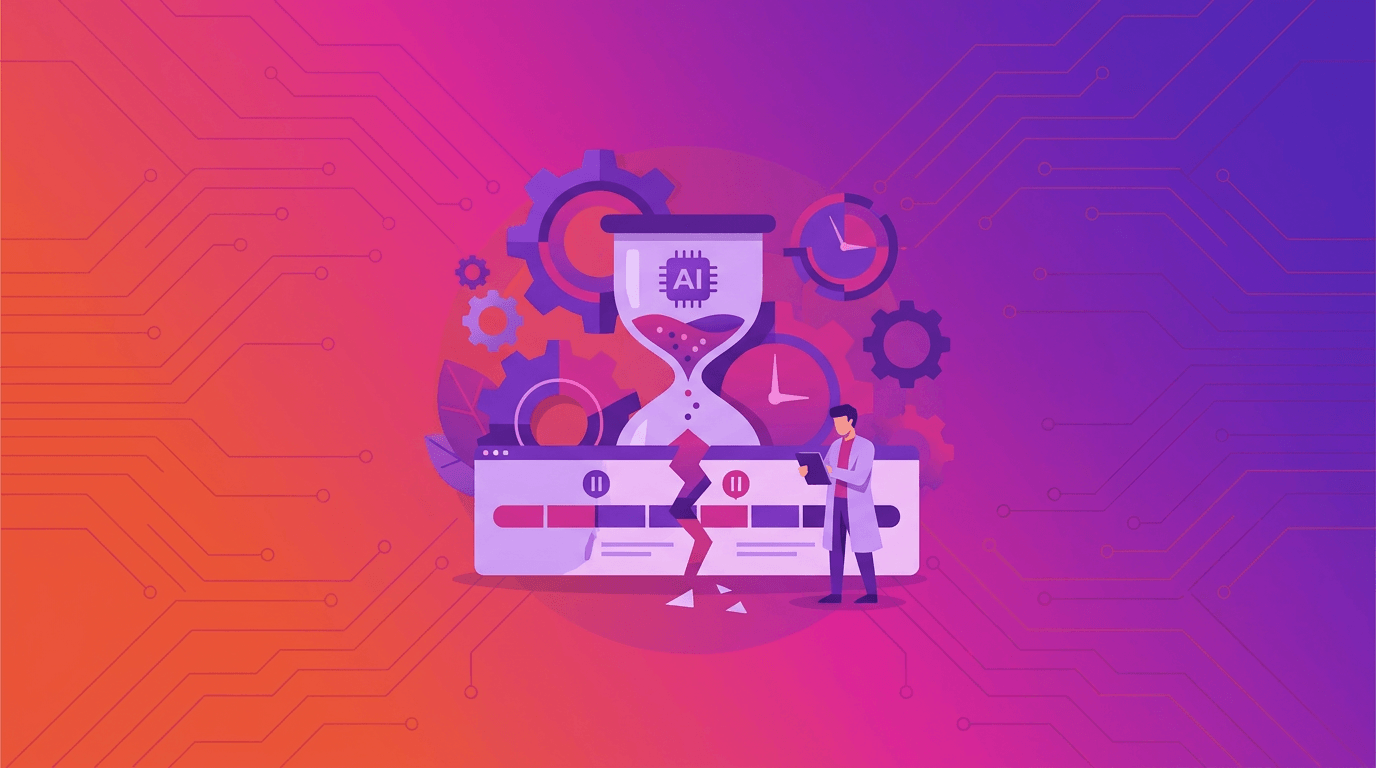
Phase 2: Disappointment. A pilot project gets underway. It does not deliver the hoped-for results. The model hallucinates. Outputs need manual checking. People go back to doing things the old way. The AI initiative loses internal priority, and when budget season comes around, it is hard to justify further investment.
Phase 3: Impact. Those who make it through phase two start to see what AI can actually do. Not because the tools are better, but because they finally know what to use them for. They have identified the specific workflows where AI creates real time savings or quality improvements, and they have built routines around it.
Most organisations are in phase one or two right now. That is entirely normal and is not a sign that you are behind. It is a sign that you are at the right stage of a natural adoption curve.
What actually separates those who succeed
It is not the technology budget. It is not access to the latest models. And it is not how many data engineers you have hired. What separates organisations that succeed with AI from those that do not is that someone owns the question: What is it we actually want to solve?
AI is a tool. An extraordinarily powerful one, but a tool nonetheless. It works best when you know what you are building. The best AI implementations we have seen always start with a process, not a model. They start with the questions: What are we spending disproportionate time on? What are we doing manually that should be automated? What decisions are we making too late because we lack insight?
The use cases delivering the most impact right now
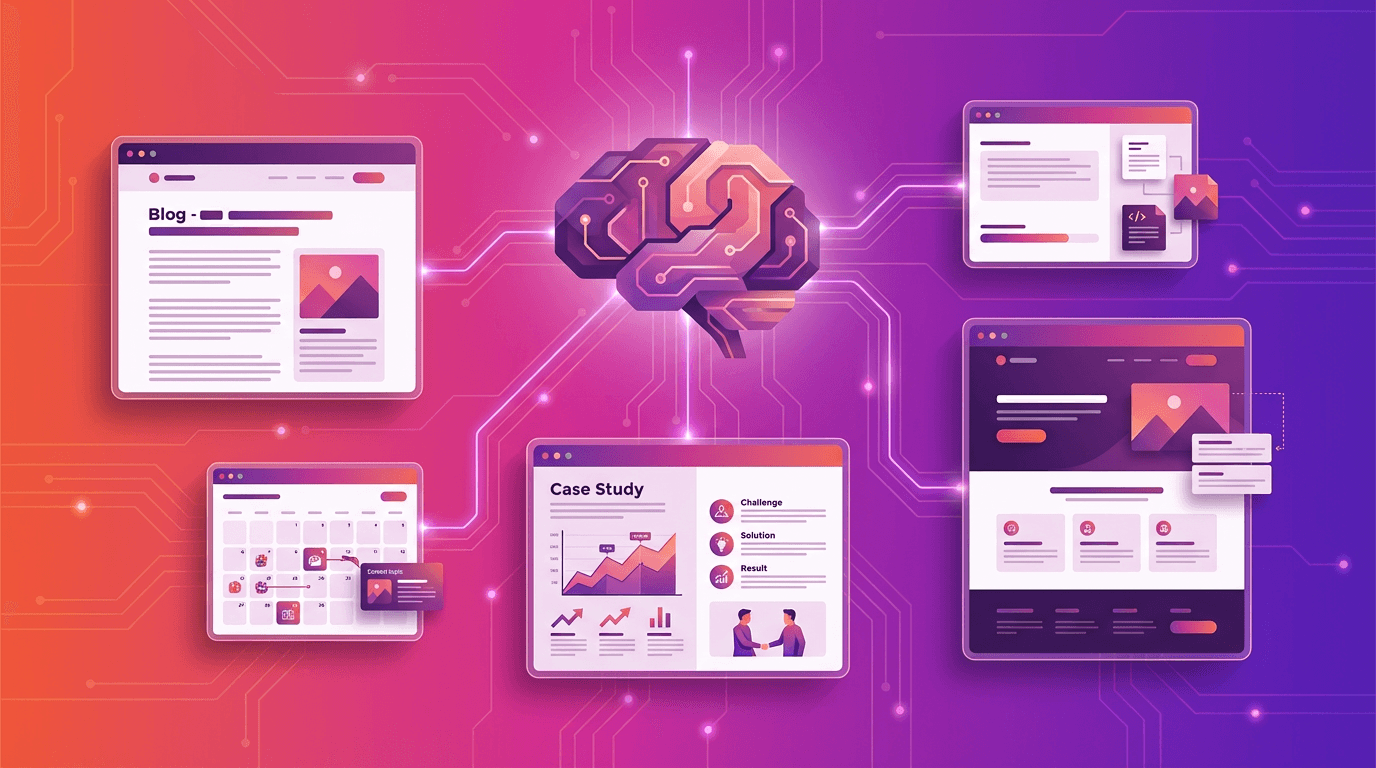
Based on what we see with clients in 2026, three categories consistently deliver high impact relatively quickly:
Content production and communication. From blog posts and emails to proposals and reports. AI not only reduces writing time, it makes it easier to maintain consistency in tone and quality.
Customer service and internal support. AI agents handling the first line of customer enquiries or internal IT questions can free up significant resources. We see organisations reducing response times by more than 60 percent.
Analysis and decision support. AI can consolidate data from meeting notes, reports and emails and give leaders an up-to-date picture of the situation without anyone spending hours on manual compilation.
What about the risks?
The risks of AI are real and should be taken seriously. Hallucination, where models produce convincingly wrong information, remains a challenge. Privacy and handling of sensitive data requires clear guidelines. And dependency on systems you do not control yourself is a strategic risk that needs to be addressed.
But the biggest risk that many underestimate is not adopting AI at all. Competitors who learn to use AI effectively will eventually produce more, faster and at lower cost. That is not a future threat. It is happening now.
Want an honest assessment of where your organisation stands and what a sensible next step looks like? Get in touch with Per André and our team for a no-obligation conversation.