What everyone is doing
About half of Norwegian companies now say they use artificial intelligence. The share has more than doubled since 2023, which is a formidable shift in three years.
Then you ask what that use consists of.
The answer is nearly always the same: a chat window. Someone types in a question, gets help with an email, asks for a summary of a meeting note, closes the tab.
People save time on it, every day.
But it is a personal productivity gain. It sits with one person, in one chat log nobody else sees. The day that person changes job, the gain walks out the door with them.
That is the difference between someone in the company using AI, and the company using AI.
What is happening at the other end
At the other end of the same statistic, something quite different is going on.
The Norwegian oil fund has around half of its employees coding their own AI tools, and uses language models to screen portfolio companies for sustainability risk.
Kongsberg Gruppen is behind Yara Birkeland, the world's first autonomous zero-emission container ship, in commercial operation since 2022.
VG, Norway's largest newspaper, reports a substantial click rate on AI-generated summaries, and has saved its journalists thousands of working hours with its own transcription app.
We see the same thing in our own projects. At one client, an AI assistant handles more than half of the enquiries that used to go to a staffed service desk. At another, the information is spread across more than 30 systems, and the whole job is about giving employees one way in to all of it, because the time people spend looking for information adds up to several full-time positions in most companies.
None of these are chat windows, and none of them are pilots. They are in production.
What separates the two
The difference is rarely money.
It is not technical skill either. I have worked with small companies that have come further than firms with many times the budget.
The difference is that someone made a decision.
AI maturity can be read as a ladder with three steps. The explorer tries free tools when she gets stuck. The systematic one pays for the tools, has mapped a few processes and knows which tool fits which task. The transformed one has made AI a way the whole organisation works.
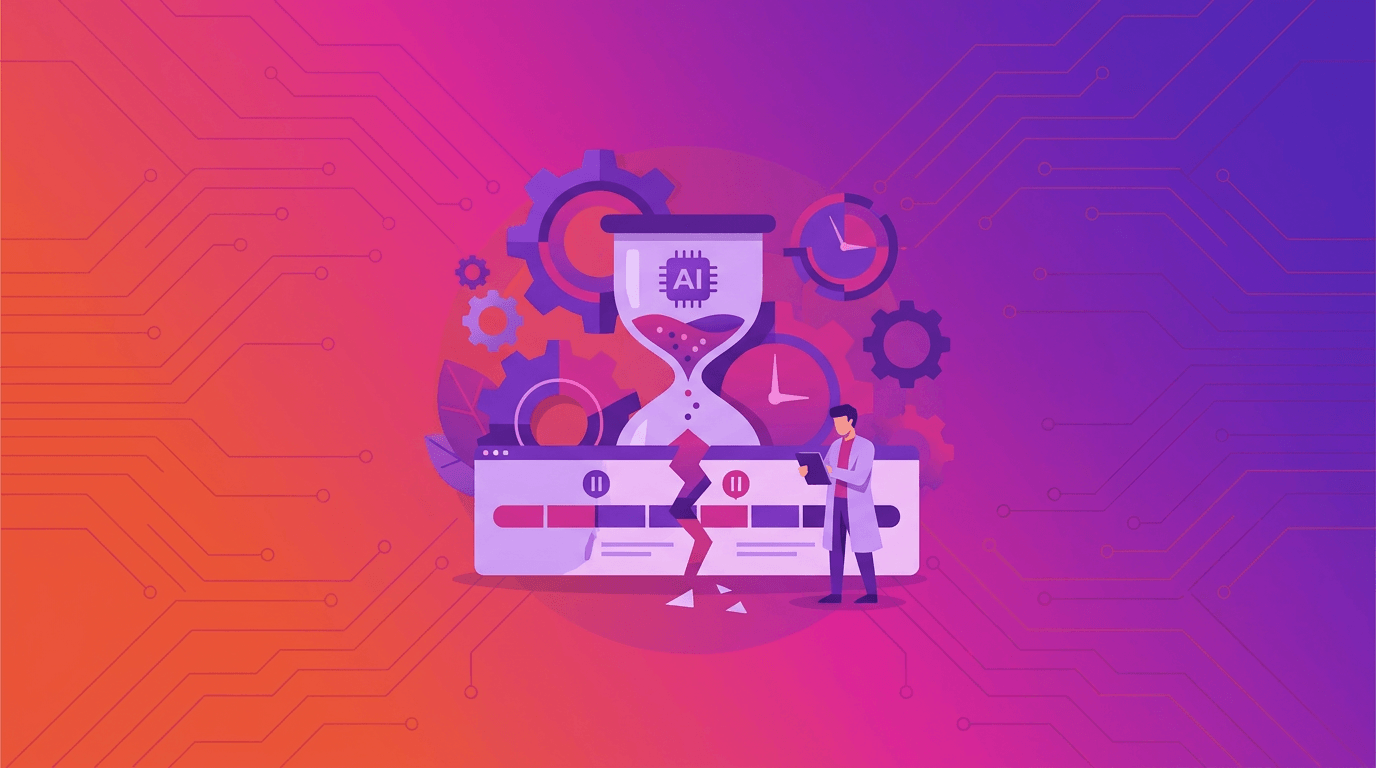
Between step 2 and step 3 there is a fence.

The fence is there because step 3 is not about every individual getting very good at AI. When one person gets very good, that person's skill grows, and then it stops there.
I spoke with a company that had built an impressive number of AI agents. Capable people, solid work. Then I asked whether the rest of the company knew what those agents had learned.
No.
Where AI is a private matter, the company stands still, however skilled the individuals are. Turning that around is a management decision, and it costs nothing to make.
Three steps past the chat window
- Find out where the time goes. Ask three employees what they spend the most time on that feels unnecessary. You do not need a project to do it, you need a week. The answers are rarely the ones you expect, and they are almost always more concrete than a strategy process would have given you.
- Pick one task with volume and low risk. High frequency, a lot of text or a lot of searching. Low consequence if the answer has to be corrected. Not payroll. Not patient records. One task, not a system. One measured gain earns you the mandate for the next one, while a large project without a gain does the opposite.
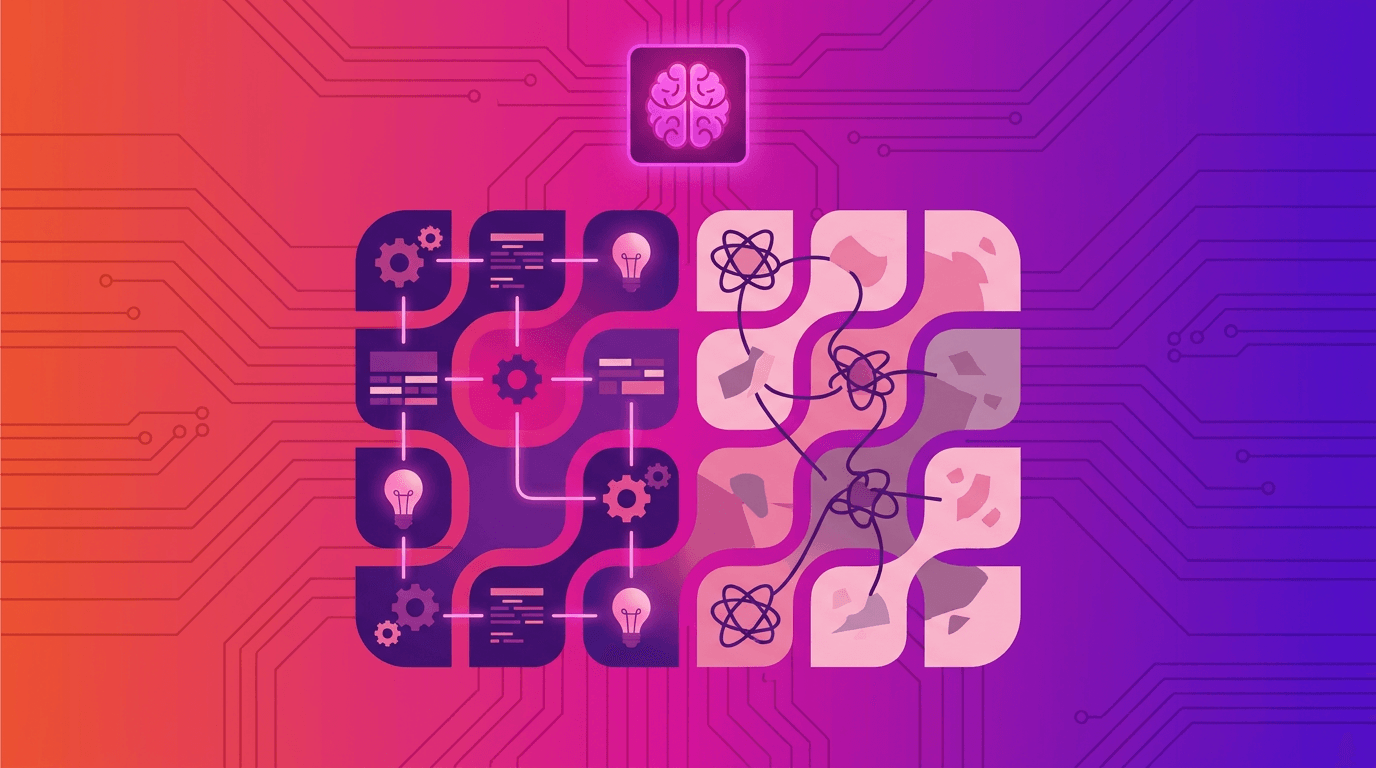
- Decide where the learning goes. This is the step most people skip, and the only one that separates step 2 from step 3. Where does what works get stored? Who owns it? How does the next person find it without asking? It is more boring than people hope. It is structure, the same as with every other IT system we have introduced over the past thirty years.
Then you measure. Time saved, enquiries resolved, errors avoided. And repeat.
The question is not whether your company uses AI. It already does, and your employees started long ago, with or without ground rules.
The question is whether what you learn along the way stays with the company, or in a chat log nobody else sees.
Fredrik works with companies that want to get past the chat window. It usually starts with one task, and with deciding where the learning goes.
Transparency note: This article is based on the author's own analysis and experience. AI has been used as an editorial aid for language and structure.